The world of video games moves fast. One day your favorite title runs smoothly, the next day there’s a patch changing game mechanics, fixing bugs, or adding a limited-time mode everyone’s suddenly talking about. That’s where new game updates scookiegeek fits into the picture — not as a game itself, but as a search behavior and content hub gamers rely on when they want clear, readable updates without digging through dense patch notes.
For casual gamers and hardcore players alike, staying informed isn’t just a “nice extra” anymore. It’s essential to the overall gaming experience. Updates now affect everything from graphics and performance to balance, social interaction, and cross-platform play. Miss a key update and suddenly load times feel longer, a favorite weapon feels weaker, or you can’t join friends online.
This guide explains what Scookiegeek-style update coverage usually includes, why updates matter so much in the modern gaming industry, and how players can stay informed without wasting hours scrolling through forums or Discord threads.
What “New Game Updates Scookiegeek” Actually Refers To
Despite how the phrase sounds, Scookiegeek isn’t a video game. It’s best understood as a content platform and reference point for players who want simplified explanations of ongoing changes in video games. When people search for new game updates scookiegeek, they’re usually looking for:
- Simplified patch notes
- Clear summaries of new features
- Bug fixes explained in plain language
- Real gameplay impact, not just developer jargon
Modern games often receive weekly or bi-weekly updates. Not everyone wants to read technical changelogs filled with percentages, backend fixes, or engine tweaks. Platforms like Scookiegeek aim to translate those changes into “what this means for you when you play.”
Why Game Updates Are Constant in Modern Game Development
A decade ago, most games shipped once and rarely changed. Today, that model barely exists. Modern titles operate under what the industry calls Games as a Service (GaaS) — meaning a game is continuously updated, balanced, and expanded after launch.
This shift happened because:
- Always-online connectivity is now standard
- Player feedback is instant through social media and streaming
- Cross-platform gaming requires constant synchronization
- New consoles and PC hardware demand regular optimization
Popular games like Fortnite, Minecraft, Apex Legends, and Call of Duty have proven that regular updates keep players engaged for years, not months. That’s why tracking new game updates through Scookiegeek-style summaries has become part of normal gaming habits.
How Latest Game Updates Improve the Gaming Experience
Not every update adds flashy content, but most of them quietly improve how a game feels over time.
Graphics and Performance Improvements
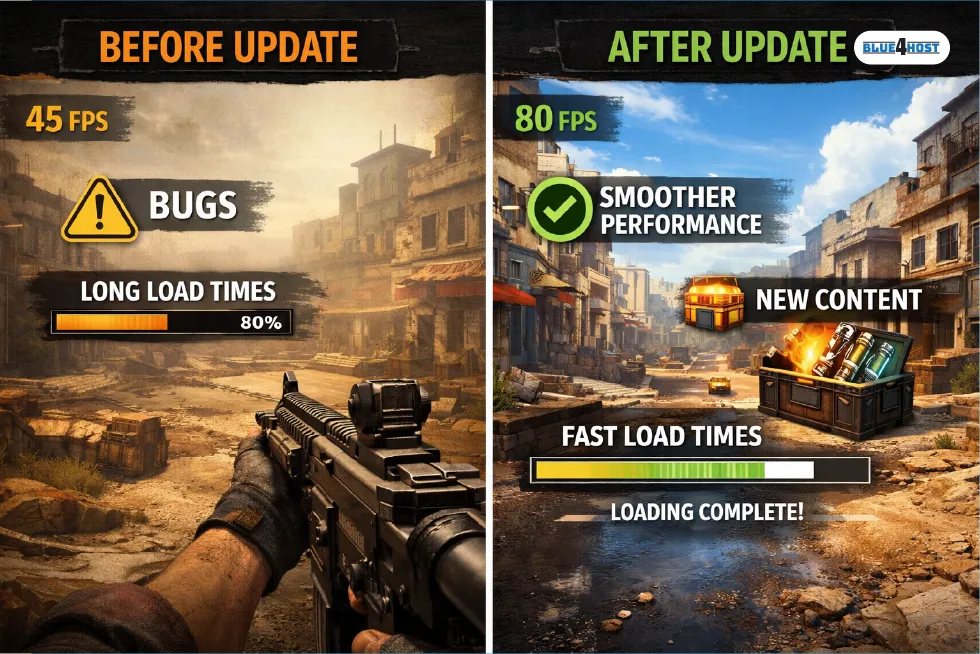
Many patches focus on optimization rather than visuals you instantly notice. Frame-rate stability, reduced stuttering, better texture streaming, and faster load times are common improvements. Individually they feel small, but together they make a game feel smoother and more polished.
| Update Type | Typical Improvements | Player Impact |
|---|---|---|
| Performance patches | FPS stability, reduced crashes | Smoother gameplay |
| Visual updates | Texture fixes, lighting tweaks | Cleaner visuals |
| Optimization | Lower CPU/GPU usage | Better performance on older hardware |
Gameplay and Game Mechanics Tweaks
Small changes to game mechanics can completely alter how a game plays. Weapon balancing, movement speed adjustments, cooldown changes, or AI behavior tweaks are usually handled through patches.
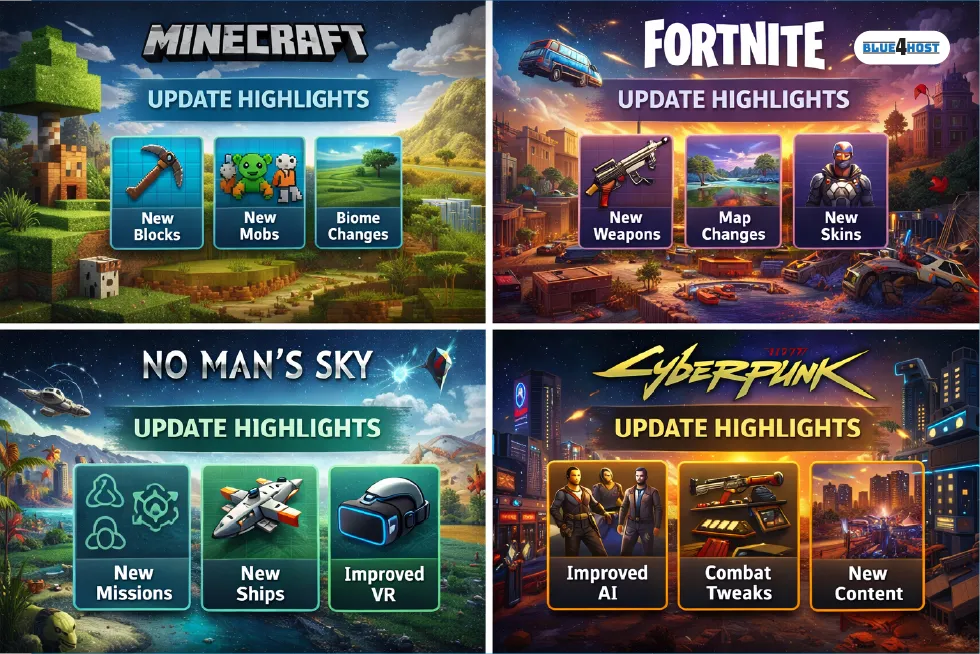
A famous example is Cyberpunk 2077, which transformed its reputation through years of updates that fixed AI behavior, improved performance, and refined combat systems.
Bug Fixes That Actually Matter
Bug fixes rarely get hype, but they build long-term trust. Fixing crashes, quest blockers, matchmaking errors, or multiplayer desync issues directly improves player satisfaction. Over time, these fixes matter more than new cosmetics or skins.
Patch Notes vs What Players Actually Care About
Most players don’t read full patch notes. They want answers to simple questions:
- Did this update improve performance or break it?
- Does it change how my character or loadout works?
- Can I still play with friends across platforms?
This is exactly why new game updates Scookiegeek-style summaries exist. They focus on outcomes, not technical explanations.
| Patch Note Detail | Developer Focus | Player Concern |
|---|---|---|
| Backend fixes | Server stability | “Will matchmaking work?” |
| Balance changes | Competitive fairness | “Is my build weaker?” |
| UI updates | Accessibility | “Is this easier to use?” |
Updates for Casual Gamers vs Competitive Players
Not all players care about updates in the same way, and good update coverage recognizes that.
Casual Gamers
Casual players usually want:
- Faster load times
- Fewer bugs and crashes
- New content they can enjoy in short sessions
They rarely care about minor balance changes unless something feels noticeably less fun.
Competitive Players
Competitive players watch updates closely because patches can shift the entire meta. They track:
- Weapon and character buffs or nerfs
- Matchmaking adjustments
- Ranked system changes
Missing a single update can mean falling behind skill-wise or losing ranked progress.
The Role of Social Media in Game Updates
Today, social media is often where updates appear first. Developers announce patches on X (Twitter), Discord, YouTube, and Reddit before official patch notes go live. Community feedback then shapes hotfixes and follow-up patches.
This two-way communication improves social interaction between studios and players. It also explains why updates feel more frequent — developers can now respond in days instead of months.
Real-World Examples of Games Shaped by Updates
Some games are practically defined by their updates:
- Minecraft: One of the games with the most updates ever, evolving from a simple sandbox into a massive cross-platform ecosystem.
- Fortnite: Seasonal updates completely change maps, weapons, and mechanics every few months.
- No Man’s Sky: A comeback story powered almost entirely by free content updates over several years.
These examples show why tracking new game updates Scookiegeek-style matters. Updates don’t just fix games — they redefine them.
Pros and Cons of Frequent Game Updates
| Pros | Cons |
|---|---|
| Games feel alive and evolving | Large download sizes |
| Faster bug fixes | Unexpected gameplay changes |
| Better long-term value | New bugs can appear |
| Improved performance | Requires frequent internet access |
Despite the downsides, frequent updates are now a standard expectation in modern gaming.
Most Common Questions Players Ask About Game Updates
Highly anticipated 2025 titles include large open-world RPGs and long-running franchises with confirmed release windows. Many of these games are expected to launch with roadmaps already planned, meaning post-launch updates will be just as important as day-one content.
Several major AAA titles originally planned for 2025 have been delayed to 2026 to avoid crunch and improve launch quality. Delays often signal a stronger post-launch update strategy rather than a rushed release.
Minecraft is widely considered one of the most updated games ever, with consistent patches and major content drops spanning more than a decade.
How to Make Sure Your Game Is Always Updated
Staying updated doesn’t have to be complicated:
- Enable auto-updates on platforms like Steam, PlayStation, or Xbox
- Follow official developer channels for announcements
- Use summary platforms like Scookiegeek to understand changes quickly
This approach keeps you informed without turning gaming into homework.
Final Thoughts: Why Staying Updated Is Worth It
The gaming industry isn’t slowing down. Updates are no longer optional extras — they’re part of the core experience. Whether you’re competing online or relaxing after work, staying informed helps you avoid frustration and enjoy games as intended.
Searching for new game updates scookiegeek shows a clear player mindset: gamers want clarity, not complexity. They want to know what changed, why it matters, and how it affects their time in the game.
Actionable takeaway:
Follow update summaries, skim patch notes when needed, and keep an eye on official announcements. Staying updated doesn’t mean obsessing — it just means playing smarter and enjoying better games.
RELATED ARTICLE: Minecraft PlugboxLinux – A High-Performance Way to Run Modern Minecraft Servers