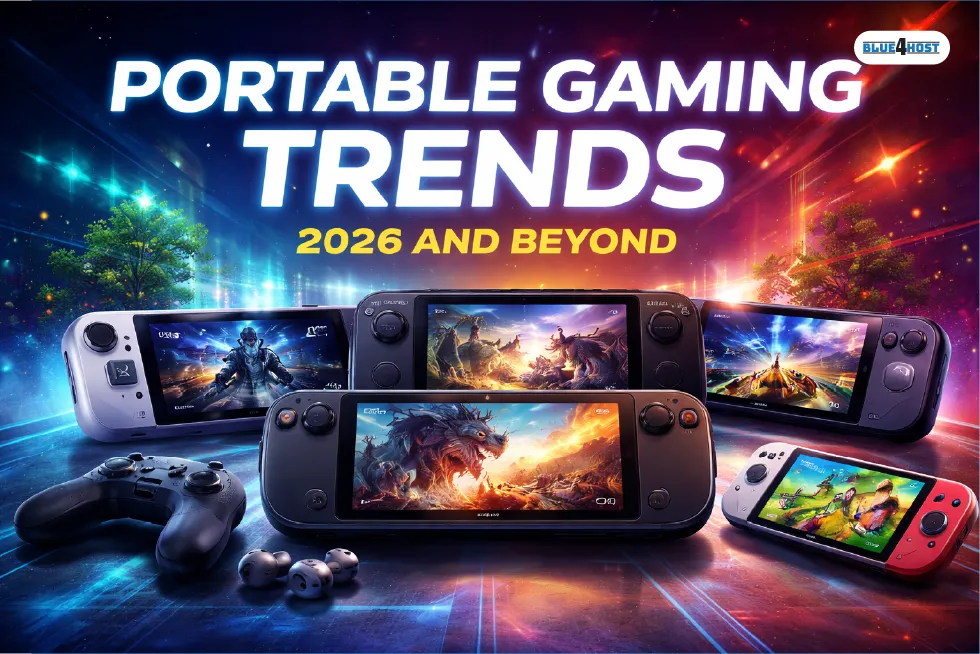
Portable gaming isn’t a side hobby anymore—it’s one of the strongest forces shaping the future of the gaming industry. In 2025 and heading into 2026, handheld consoles, cloud-powered devices, and mobile-first gaming setups are no longer “alternatives” to consoles or PCs. For millions of players, they are the main way to play.
When we talk about portable gaming trends from ThePortableGamer, we’re really talking about a broader industry shift. Gaming is becoming more flexible, more accessible, and more integrated into everyday life. Whether it’s playing a few matches during a commute or continuing a long RPG session on a couch instead of a desk, portable play is changing how, when, and why people game.
ThePortableGamer has consistently highlighted these behavioral shifts—focusing not just on devices, but on how real players adapt to them. And that’s why these trends matter. They explain why engagement is rising, why hardware design is changing, and why the idea of being tied to a single screen feels increasingly outdated.
Understanding Gaming Trends from ThePortableGamer
The phrase gaming trends from ThePortableGamer refers to recurring patterns seen across handheld consoles, mobile gaming ecosystems, and compact “stick-style” or streaming-enabled devices. Instead of centering on one platform, these trends look at how players move between devices, how long they play, and what keeps them coming back.
What stands out is that technology alone isn’t driving these changes. Lifestyle factors play a major role. Shorter attention windows, hybrid work schedules, longer commutes, and the desire for entertainment that fits into daily routines have all pushed portable gaming forward.
Players don’t just want better graphics—they want freedom.
Portable Gaming Devices Are No Longer “Secondary”
For a long time, portable gaming carried a reputation for compromise. Smaller screens, weaker hardware, and simplified experiences were seen as the trade-off for mobility. That perception has changed dramatically.
Modern portable gaming devices—such as the Steam Deck OLED, ASUS ROG Ally, Lenovo Legion Go, and the Nintendo Switch ecosystem—deliver experiences that closely mirror traditional console and PC gaming. For a comprehensive look at handheld consoles and their history, see Handheld game console – Wikipedia.
This shift is one of the most important portable gaming trends right now. Players are no longer choosing between “serious” gaming and portability. They’re getting both.
| Device | Est. Price (USD) | Display | Battery Life | Performance Highlights |
| Steam Deck OLED | $549–$649 | 7.4″ OLED (90Hz) | 3–12 hours | Gold standard for UI (SteamOS); best for Indies/Mid-range. |
| ROG Ally X / Xbox Ally | $799–$899 | 7″ LCD (120Hz/VRR) | 4–8 hours | Windows-based; 24GB RAM; massive 80Wh battery. |
| Lenovo Legion Go 2 | $1,099+ | 8.8″ OLED (144Hz) | 5–7 hours | Ryzen Z2 Extreme; detachable controllers; OLED upgrade. |
| Nintendo Switch OLED | $349 | 7″ OLED | 4.5–9 hours | Best for exclusives; aging hardware but top-tier library. |
| Logitech G Cloud | $299–$349 | 7″ LCD (1080p) | 12+ hours | Best for cloud-only users; lightweight and ergonomic. |
Performance Meets Portability
Advances in mobile chipsets, cooling systems, and battery efficiency have made handheld gaming far more viable for longer sessions. Add cloud gaming into the mix, and performance ceilings rise even higher.
Today’s portable systems can handle demanding titles through:
- Local processing for indie and mid-range games
- Cloud streaming for AAA releases
- Hybrid approaches that balance performance and battery life
This matters because consistent performance directly affects player behavior. When controls feel familiar and frame rates stay stable, players stick around longer. Skill development improves, competitive modes feel fairer, and switching between devices becomes frictionless.
Cloud Gaming Is Reshaping How We Play
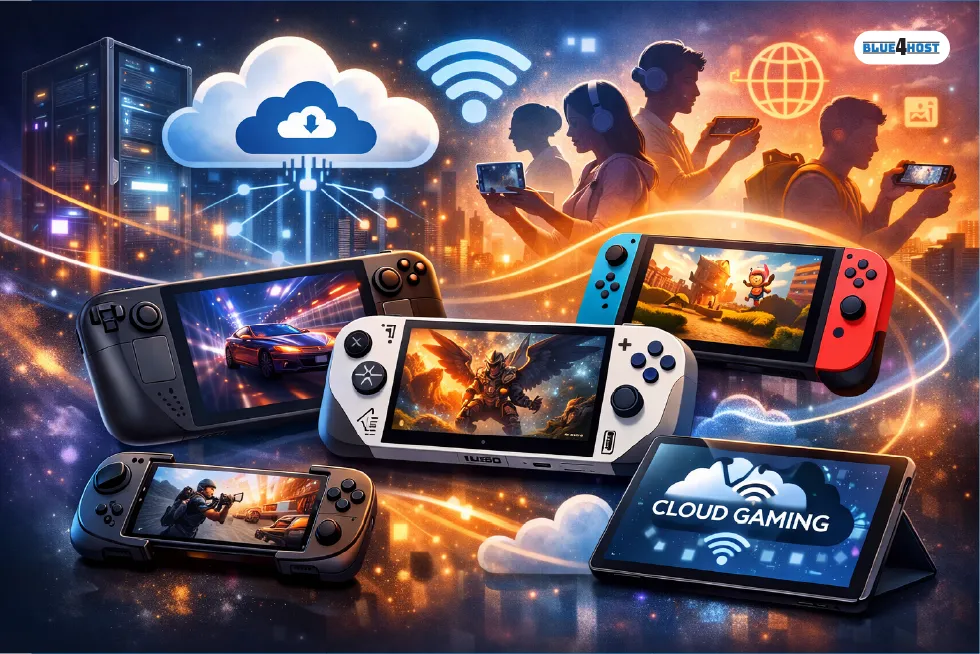
One of the most influential forces behind current portable gaming trends is cloud gaming. By offloading heavy processing to remote servers, cloud platforms allow lightweight devices to run games that would otherwise require expensive hardware.
Services like NVIDIA GeForce NOW have demonstrated how server-grade GPUs can stream high-fidelity games to handhelds, tablets, and even low-powered laptops with minimal setup. While cloud gaming doesn’t eliminate all limitations—latency and bandwidth still matter—it dramatically lowers the barrier to entry.
From ThePortableGamer’s perspective, the importance of cloud gaming isn’t theoretical. It shows up in player habits. Once people get used to launching the same game across multiple devices without reinstalling or reconfiguring, it’s hard to go back.
Cross Platform Play Is Now an Expectation
Cross platform compatibility has shifted from a “nice-to-have” feature to a baseline expectation. Players want their progress, friends lists, and achievements to follow them—regardless of the device they’re using.
This trend benefits the entire ecosystem:
- Casual players gain flexibility
- Competitive players maintain consistency
- Developers reach broader audiences
- Communities grow stronger and more inclusive
Portable gaming thrives in this environment because it acts as a bridge. It connects console players, PC gamers, and mobile users into shared spaces, reducing fragmentation and keeping multiplayer ecosystems alive longer.
The Evolution of Mobile Gaming Hardware in 2026
Mobile gaming has grown far beyond simple tap-based experiences. Today’s smartphones, paired with dedicated controllers or portable gaming sticks, function as modular gaming systems.
Modern mobile titles now include:
- Full-scale RPGs and strategy games
- Competitive shooters and MOBAs
- Deep progression systems designed for long-term engagement
This evolution supports longer sessions and higher retention, especially when players can seamlessly move between mobile, handheld, and desktop environments. Developers are also experimenting more—finding ways to design games that feel natural on smaller screens without sacrificing depth.
Augmented Reality Adds a New Layer
Augmented reality remains an emerging—but promising—area within portable gaming. AR blends digital gameplay with real-world environments, creating experiences that feel more personal and situational.
While still niche, AR gaming is gaining traction in:
- Location-based experiences
- Educational and fitness-focused games
- Social and cooperative play
As portable devices improve cameras, sensors, and battery efficiency, AR is likely to become a natural extension of on-the-go gaming rather than a novelty.
Keeping Players Engaged Across Skill Levels
One consistent insight from gaming trends highlighted by ThePortableGamer is how portable access supports a wide range of skill levels. Because games are always within reach, improvement happens organically.
Players can:
- Practice in short, low-pressure sessions
- Experiment with new genres or mechanics
- Learn over time without long commitments
This design philosophy is especially effective in regions where gaming time is fragmented throughout the day. It also answers a common question in the industry: Does portable or cloud gaming reduce skill development? In practice, frequent access often leads to better mastery, not worse.
Pros and Cons of Current Portable Gaming Trends
| Pros of Portable Gaming Trends | Cons of Portable Gaming Trends |
|---|---|
| Flexible gaming anytime, anywhere | Battery life can still limit long sessions |
| High-quality gaming without expensive hardware | Cloud gaming depends on stable, fast internet |
| Easy access to AAA games through cloud services | Latency issues can affect competitive play |
| Strong cross-platform and social connectivity | Not all games are optimized for handheld devices |
| Better accessibility for casual and new players | Storage limitations on some portable devices |
| Supports short, frequent play sessions that improve skills | Premium cloud subscriptions add ongoing costs |
Tips for Players Embracing Portable Gaming
To get the most out of today’s portable gaming ecosystem:
- Invest in reliable internet if you use cloud services
- Use controllers designed for handheld ergonomics
- Choose games with cross-platform progression
- Balance performance settings to preserve battery life
Small adjustments make a noticeable difference over time.
Frequently Asked Questions
The biggest trends include portable and handheld gaming growth, cloud gaming adoption, cross platform play, live-service models, and deeper integration between mobile, console, and PC ecosystems.
Traditionally, the “big three” refers to Sony (PlayStation), Microsoft (Xbox), and Nintendo. However, cloud platforms and PC ecosystems now play an equally influential role.
There’s no single definitive answer, as rankings vary by platform and region. Titles like Fortnite, Minecraft, and Call of Duty continue to dominate in player count and engagement across multiple platforms.
Final Thoughts: Where Portable Gaming Is Headed
The portable gaming trends highlighted by ThePortableGamer point to a future where gaming adapts to life—not the other way around. Handheld hardware, cloud infrastructure, mobile innovation, and cross-platform ecosystems are converging into a more flexible, player-centered model.
This isn’t a temporary phase. It’s a structural shift.
Players want freedom. Developers want reach. Platforms want long-term engagement. Portable gaming delivers all three, which is why it’s becoming one of the most influential forces shaping the modern gaming world.
Visit our website: Blue4Host