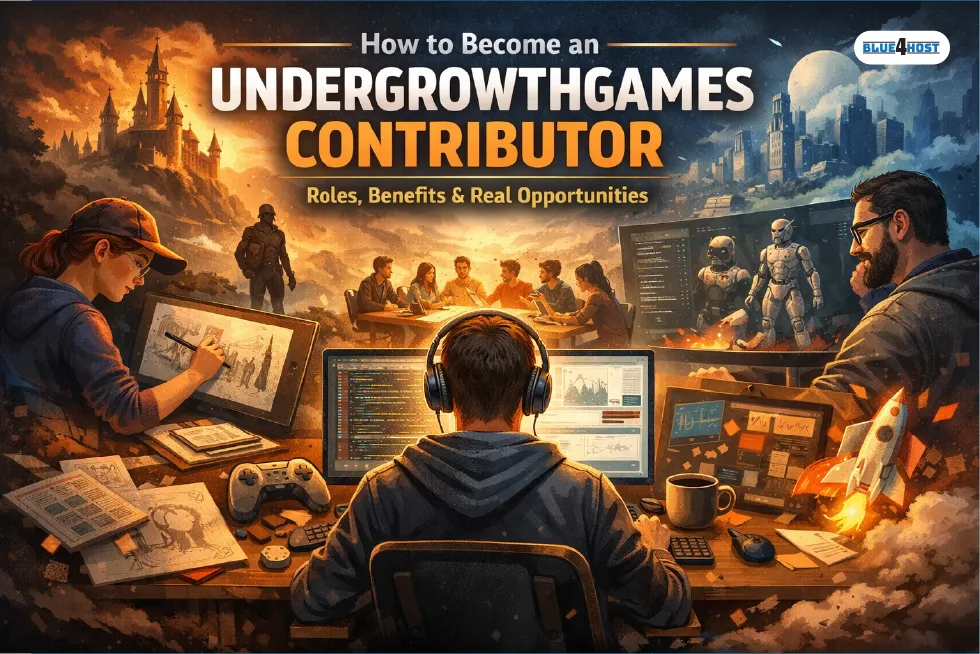
The term UndergrowthGames contributor has been popping up more often in indie gaming circles, and that’s not by accident. As the gaming industry keeps shifting toward community-led creativity, platforms like UndergrowthGames are creating space for indie developers, writers, designers, and engaged players to collaborate rather than compete for attention. This role isn’t just about publishing content or leaving comments — it’s about becoming part of an ecosystem where ideas, feedback, and consistency actually shape outcomes over time.
If you care about indie games, enjoy writing or analyzing game design, or want a closer look at indie game development without joining a traditional studio, understanding this contributor role genuinely matters.
What Is the UndergrowthGames Platform?
At its core, the UndergrowthGames platform is built around participation instead of hierarchy. Rather than a top-down studio structure where decisions come from a few leads, contributors can influence projects through writing, testing, creative assets, structured feedback, and community discussion.
In practice, the platform functions as a mix of a publishing hub, a feedback loop, and a collaboration space. Contributors typically interact through discussion threads, shared documents, versioned feedback posts, and community channels similar to Discord-based workflows used across indie teams today. Content submissions are reviewed by editors or moderators, while game-related feedback is often routed directly to developers working on active projects.
This approach mirrors broader industry trends. Insights regularly shared at the Game Developers Conference (GDC), which is organized by Informa Tech, highlight how community feedback, Early Access models, and player-driven iteration have become key drivers of innovation in indie game development. Successful long-term projects like Hades or Baldur’s Gate 3 show how sustained community involvement can materially improve a game’s final quality.
That same philosophy runs through UndergrowthGames — smaller teams, flexible roles, and strong community ties over rigid studio pipelines.
Understanding the UndergrowthGames Contributor Role
An UndergrowthGames contributor isn’t locked into a single job description. The role adapts to your skills, availability, and interests, which is part of its appeal. Some contributors focus almost entirely on writing, others on visual or narrative ideas, while some support developers through testing and structured feedback.
Writing and Editorial Contributors
Writers produce game reviews, design analysis, trend pieces, tutorials, and reflective essays about indie gaming. The platform favors depth over hype — thoughtful breakdowns of mechanics, narrative choices, or player experience tend to perform better than surface-level impressions. For many contributors, this is the most accessible entry point and a solid way to build a portfolio.
Creative and Design Contributors
Artists, narrative designers, and UI-focused contributors often share mockups, concept art, story frameworks, or interface suggestions. These are usually linked from external portfolios (ArtStation, personal sites) and then discussed or iterated on inside the platform’s feedback channels.
Development and Technical Contributors
Not every technical contributor is a full-time programmer. Many help with playtesting, balancing, accessibility feedback, or usability reviews. Their structured input — what feels confusing, unfair, or unintuitive — can directly influence design decisions during development.
Community-Focused Contributors
Community contributors help keep discussions productive, welcome newcomers, answer recurring questions, and maintain a healthy tone. In reality, most successful contributors touch this role in some way, because sustained engagement is what builds trust and visibility over time.
Why Indie Developers and Writers Are Drawn to It
Contributor-based platforms appeal to creators who want real interaction instead of one-way publishing. Traditional studios can feel closed off, while solo indie projects often struggle to get consistent feedback or visibility. Being an UndergrowthGames contributor sits neatly in between.
Creators are drawn to the platform because it offers:
- Direct interaction with indie developers rather than anonymous publishing
- Opportunities to write about game ideas before they go mainstream
- Feedback loops where thoughtful input can influence real projects
- Growth paths that feel organic instead of algorithm-driven
For many contributors, it’s a way to stay connected to the gaming industry without needing a full-time studio role — or burning out chasing virality.
What Makes a Successful Contributor Stand Out
Success on UndergrowthGames isn’t about volume. It’s about reliability, curiosity, and how you show up over time.
Successful contributors usually:
- Participate in discussions, not just drop content and disappear
- Manage their time and respect deadlines or review cycles
- Engage with feedback, even when it challenges their ideas
- Show genuine interest in game mechanics and player behavior
- Think long term, focusing on contribution rather than quick visibility
This mindset is what turns casual contributors into trusted voices within the community.
Writing About Games the Right Way
For writers, the UndergrowthGames model encourages substance over speed. Writing about indie games here means looking beyond whether something is “fun” and asking why it works — or doesn’t.
Strong game writing on the platform typically:
- Explains why mechanics succeed or fail
- Considers developer intent and production constraints
- Acknowledges flaws without being dismissive or harsh
- Reflects real player experience instead of marketing language
This kind of honesty builds long-term reader trust, which matters far more than chasing clicks.
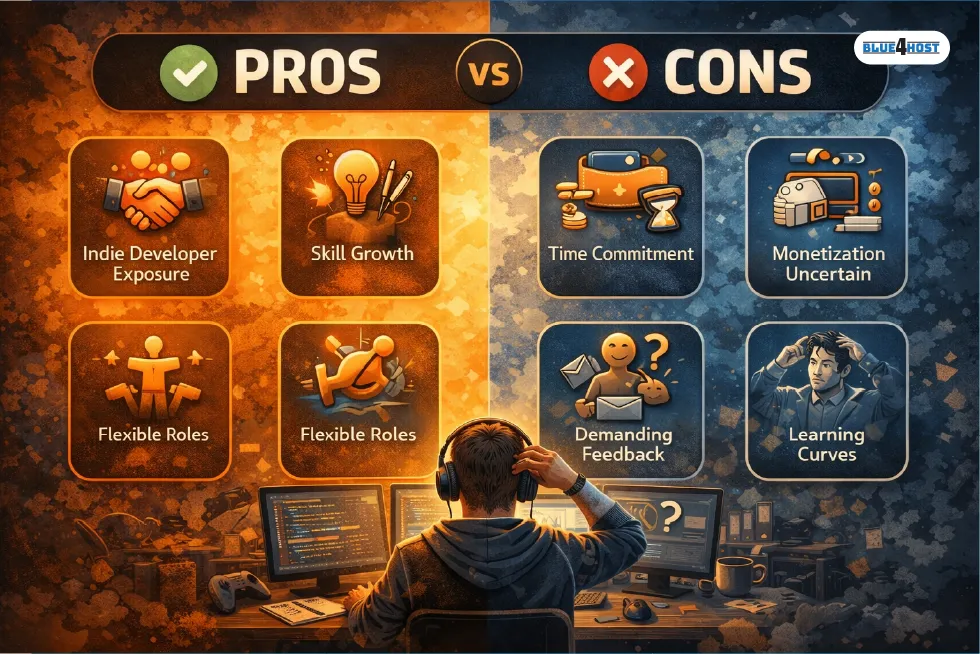
Pros and Cons of Being an UndergrowthGames Contributor
| Pros | Cons |
|---|---|
| Direct exposure to indie developers and creators | Requires consistent time commitment |
| Skill growth in writing, analysis, or design | Monetization is not always immediate |
| Flexible contribution structure | Feedback and revisions can be demanding |
| Portfolio-friendly work | Learning curve for new contributors |
| Organic long-term growth opportunities | Results take time |
While compensation varies by role and project — some opportunities are paid, others are volunteer or lead to revenue-sharing later — most contributors view the early phase as an investment in skills, credibility, and connections.
How to Get Started as a Contributor
Getting started doesn’t require perfection. It requires intention and consistency.
- Decide what type of contribution fits your skills
- Prepare samples (writing, visuals, or feedback notes)
- Join discussions before pitching yourself
- Share insights that add value, not noise
- Stay consistent, even when growth feels slow
Many contributors begin with small pieces or comments and gradually move into more visible or specialized roles.
Long-Term Value and Growth Opportunities
Over time, being an UndergrowthGames contributor can open real doors. Some contributors move into paid editorial work, others collaborate directly with indie studios, and some leverage their experience into freelance or full-time roles in the gaming industry.
This mirrors a broader reality in gaming. While people often ask “Who is the #1 gamer in the world?” or focus on elite competitive players, most sustainable careers in gaming are built quietly — through writing, design, community work, and long-term contribution. Similarly, questions like “What are the big 3 in gaming?” (typically Sony, Microsoft, and Nintendo) highlight how large the industry is, but much of its creative innovation still happens at the indie level.
Even legendary projects — including games that reportedly took over a decade to develop — relied heavily on iteration, feedback, and community involvement. Contributor-driven platforms reflect that same long-view approach.
Final Thoughts
The UndergrowthGames contributor role reflects where indie gaming is heading: collaborative, community-driven, and flexible. Whether you want to write about game design, support indie development, or simply engage with thoughtful players and creators, the platform offers room to grow without needing approval from traditional gatekeepers.
If you’re willing to show up consistently, contribute with care, and think beyond short-term visibility, the opportunities are real. In a crowded industry, growth often doesn’t come from being the loudest voice — it comes from being consistently useful. And that’s exactly what this contributor model rewards.
FAQ’s
UndergrowthGames offers a mix of contribution models. Some roles are unpaid at the start and focus on skill-building, portfolio growth, and community visibility, while others may evolve into paid editorial work, project-based compensation, or long-term collaborations. Monetization is usually tied to consistency, quality, and the specific project rather than guaranteed upfront payment.
No. Many contributors come from outside traditional game studios. Writers, analysts, artists, and engaged players with strong insights are equally valued. What matters most is your ability to communicate clearly, provide thoughtful feedback, and contribute consistently—not a formal job title or prior studio experience.
Growth is gradual. Most contributors start with small posts, comments, or feedback and build trust over time. Meaningful visibility often develops over weeks or months of consistent participation, rather than overnight success. The platform rewards long-term engagement more than quick bursts of activity.
Visit our website: Blue4Host